Backwater Valve vs Backflow Preventer vs Sump Pump: Which One Stops Which Flood
Backwater valve vs backflow preventer vs sump pump: what each protects, where it sits, who needs it, maintenance, and Ontario flood subsidies.


Backwater valve, backflow preventer, sump pump. The three get mixed up constantly, in tenant emails, in board minutes and sometimes in contractor quotes. They are not the same thing, they do not protect against the same problem, and a building that has one is not protected from what the other two handle. For a property manager, knowing which is which is the difference between a flood that was prevented and one that was only half planned for.
This guide explains what each device does, where it sits, who needs it and how to maintain it, with a comparison table, a section on commercial and multi-unit buildings, and a summary of the basement flooding subsidies available in Ontario.
The short version
A backwater valve stops sewage from the municipal sewer backing up into the building. It sits on the sanitary drain.
A backflow preventer stops water from inside the building flowing back into the drinking water supply. It sits on the incoming water line.
A sump pump removes groundwater that collects around the foundation. It sits in a pit in the lowest floor.
One protects the building from the sewer, one protects the city's water from the building, and one protects the building from the ground.

Backwater valve vs backflow preventer vs sump pump compared
Backwater valve | Backflow preventer | Sump pump | |
|---|---|---|---|
What it protects against | Sewage backing up from the municipal sewer during heavy rain or a sewer surcharge | Contaminated building water being drawn back into the public drinking water supply | Groundwater and storm water rising around the foundation |
Which pipe it is on | Sanitary building drain or sewer, outgoing | Incoming water service, supply side | Foundation drain (weeping tile) and sump pit, then a discharge line outside |
How it works | A flap or gate stays open for normal flow and closes when sewage flows the wrong way | Check valves, and on higher hazard devices a relief valve, stop reverse flow | A float switch turns the pump on as the pit fills and pumps the water out |
Who needs it | Buildings with drains or fixtures below street level, required in many new homes | Commercial, industrial, institutional and multi-residential properties under municipal programs | Buildings with foundation drains connected to a pit instead of a storm sewer |
Legal requirement | Building Code for new construction in many cases; often a permit to add one | Municipal by-law; annual test by a certified tester | Building Code where a sump is installed; discharge rules set by the municipality |
Maintenance | Clean and test each spring and fall | Annual certified test and report | Test regularly, service annually, replace on age |
What is a backwater valve?
A backwater valve is a one-way valve installed on the building's sanitary drain, usually in the basement floor near where the drain leaves the building. In normal use it stays open and wastewater flows out to the sewer. When the municipal sewer surcharges, which happens during intense rain when storm water gets into the sanitary system, the flow reverses. The valve's flap closes and stops sewage coming up through floor drains, toilets and showers on the lowest level.
The Ontario Building Code requires backwater valves on building drains to be a normally open design, and requires one to protect fixtures below the upstream sanitary manhole cover in residential buildings served by a public sewer. Many municipalities, including Toronto, require a building permit to add one to an existing building (City of Toronto).
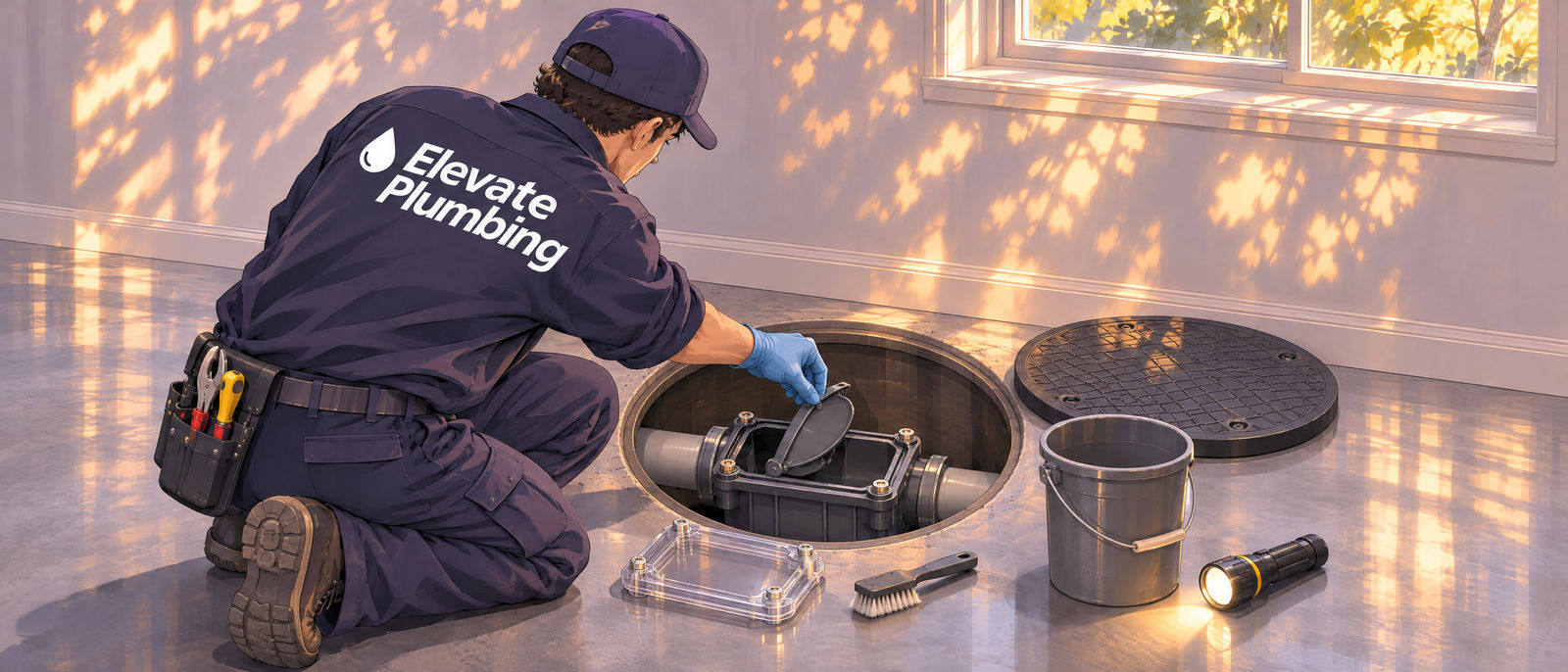
Where is the backwater valve located? Look for a round or rectangular access cover set into the basement or lowest-level floor, usually close to the front wall where the sewer leaves for the street, near the main floor drain or the main cleanout. Under the cover is a clear or solid lid on the valve body. If the building was renovated, it may be under a removable panel in a finished floor.
How do you know if a building has one? Check for that access cover, the building permit records for the property, or the original plumbing drawings. A camera inspection of the building drain shows it definitively.
What is a backflow preventer?
A backflow preventer protects the public drinking water, not the building. It sits on the incoming water service and stops water from boilers, irrigation, fire lines, chemical feeds or process equipment being pulled back into the municipal main when pressure drops. Commercial, industrial, institutional and multi-residential properties are covered by municipal backflow prevention programs that require the device to be tested every year by a certified tester. Our guide to backflow testing requirements in Ontario covers who must comply and how testing works.
A backflow preventer does nothing to stop sewage backing up into a basement. That is the backwater valve's job.
What is a sump pump?
A sump pump sits in a pit in the lowest floor. The foundation drain, or weeping tile, around the footings collects groundwater and carries it to the pit. When the water level rises, a float switch starts the pump, which pushes the water out through a discharge line, usually to the surface away from the building or to a storm connection where the municipality allows it.
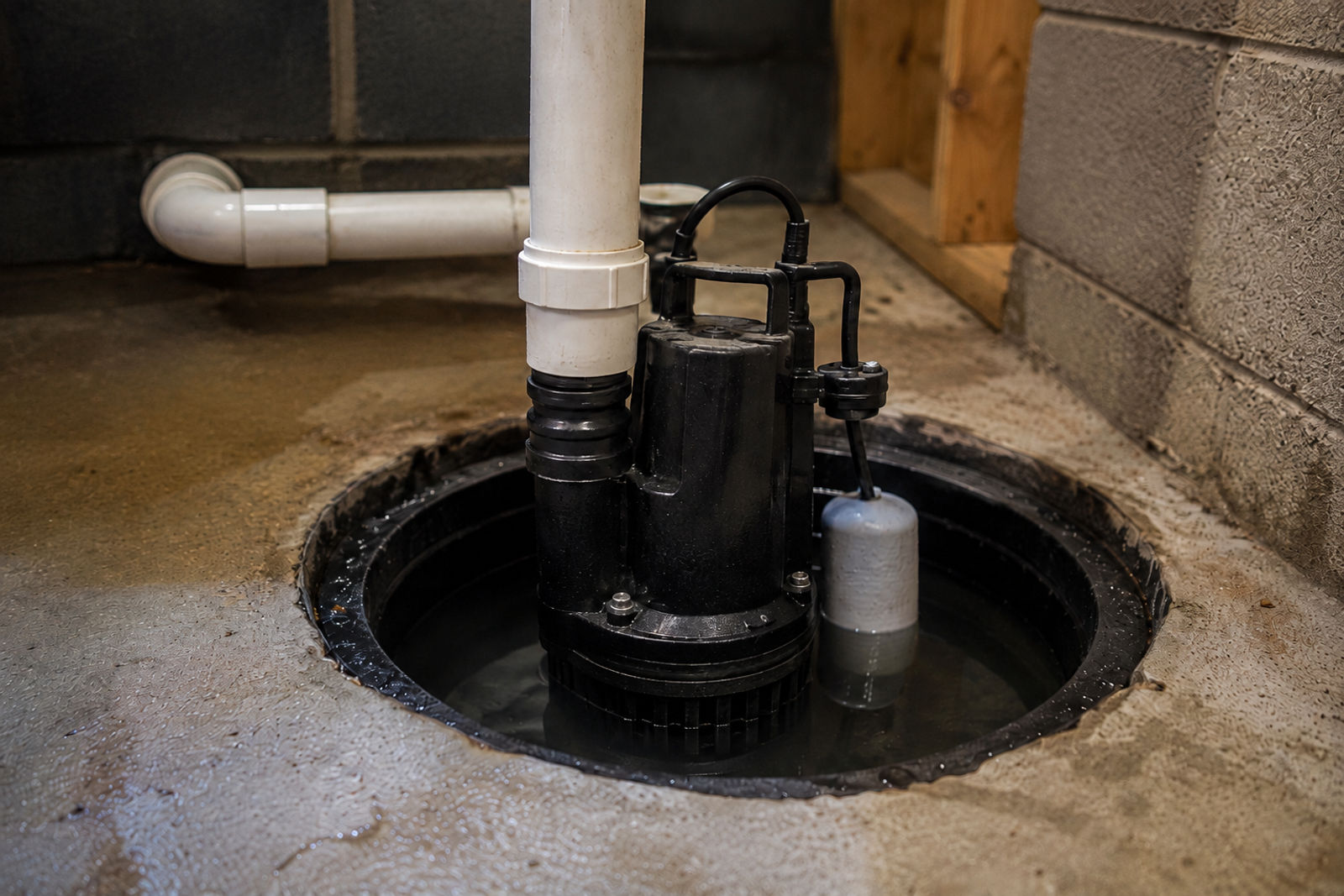
The sump pump handles water from the ground. It does not stop sewer backup, and in a heavy storm a building can need both at the same time. A battery backup or second pump keeps the pit draining if the power goes out, which is often exactly when it is needed.
Do you need a backwater valve if you have a sump pump?
Usually, yes, if the building has drains or fixtures below street level. The sump pump deals with groundwater coming in through the foundation. The backwater valve deals with sewage coming in through the drains. They protect against two different sources of water, and the storms that cause one often cause the other.
The one thing to avoid is connecting them wrongly. The sump pump should not discharge into the sanitary drain, and in many municipalities it is prohibited. Discharging into the sanitary line adds to the very sewer overload that backwater valves exist to protect against.
Commercial and multi-unit buildings
For property managers, flood protection is rarely one valve and one pump. Look at these areas specifically:

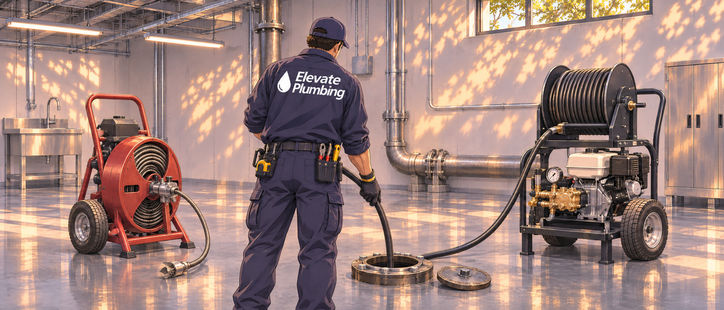
Parking garages. Lower levels collect storm water and salt-laden melt through trench drains and catch basins that often drain to sump pits with duplex pumps. Pump failure or a blocked drain can flood the lowest level in one storm. Pumps, floats, alarms and the drains feeding them belong on the maintenance schedule, and the drains need clearing after winter. See hydro jetting vs snaking for why jetting suits garage drains.
Elevator pits. Pits collect water and need to be kept dry. Where a pit has a sump pump, its discharge arrangement has to meet the Building Code and the elevator safety requirements for the building, so involve the elevator contractor before changing anything.
Ground-floor and below-grade commercial units. A restaurant, gym or retail unit with floor drains below street level is exposed to sewer backup just like a basement apartment. Confirm whether the unit's drains are protected and who owns that protection under the lease.
Multi-unit residential. The Building Code limits a backwater valve on a building drain to serving one dwelling unit, so in multi-unit buildings protection is usually designed on the branch serving each unit or group of fixtures, not as one valve on the main. This is design work for a plumber or engineer, not a single-device fix.
Who is responsible. In condominiums, building drains, sump pits and pumps are usually common elements, but the declaration decides. Our guide to condo plumbing responsibility explains the split.
Maintenance for all three
Device | What to do | How often |
|---|---|---|
Backwater valve | Remove the cover, clear debris from the flap and seat, check the flap moves freely and seals, check the access cover | Spring and fall, as the Intact Centre on Climate Adaptation recommends (Intact Centre) |
Backflow preventer | Certified test, tag and report to the municipality | Every year, under your municipal by-law |
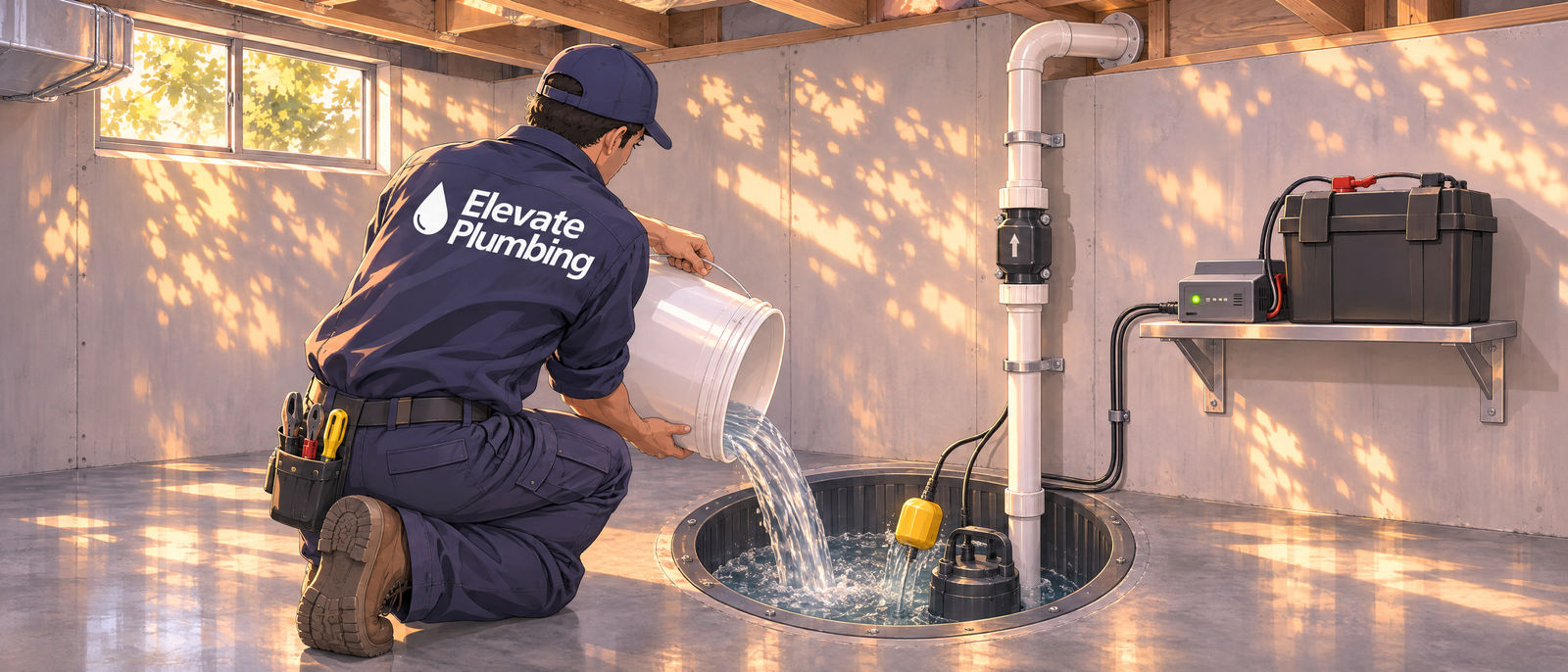
Sump pump | Pour water into the pit until the pump starts and empties it, check the check valve, discharge line and battery backup | Test regularly, full service annually, plan replacement on age |
Our commercial plumbing maintenance checklist puts all three on one building schedule.
Basement flooding subsidies in Ontario
Several municipalities help pay for backwater valves and sump pumps. Most programs are for residential properties only, so check eligibility before planning a commercial project around one.
City of Toronto. The Basement Flooding Protection Subsidy Program was expanded on May 1, 2026. It offers up to $6,650 per property, including up to 80 percent of the invoiced cost of a backwater valve to a maximum of $1,600 per device, for up to two devices. It is open to owners of single-family homes, duplexes, triplexes and fourplexes (City of Toronto).
Halton Region. Runs a backwater valve installation subsidy for interior valves on homes connected to Halton's wastewater system. Check the Region's current amount before applying (Halton Region).
Peel Region. Offers a sanitary backwater valve rebate for homeowners (Peel Region).
Hamilton. Has run a protective plumbing program covering backwater valves. Confirm current terms with the City.
Kitchener, Waterloo, Cambridge, Guelph and London. We did not find a current backwater valve subsidy from these municipalities at the time of writing. Check with your city before you book work, since programs open and change.
Most programs require a building permit, an eligible licensed contractor and approval before work starts, so apply first and book second.
Flood protection with Elevate Plumbing
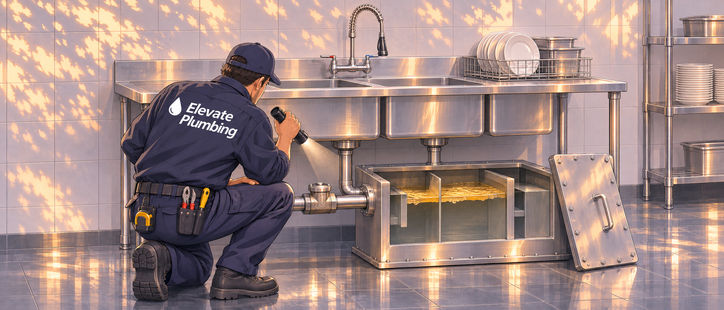
Elevate Plumbing, a division of Elevate Service Group, helps property managers, condo corporations and commercial owners protect their buildings from all three directions. We install, service and replace sump pumps, including duplex systems and battery backups, camera inspect and repair building drains and sewer lines, including checking whether a backwater valve is in place and working, and handle annual backflow testing. For an active flood, our 24/7 emergency plumbing service is there around the clock.
The crew is based in New Hamburg and serves Kitchener-Waterloo, Cambridge, Guelph, London, Hamilton, Toronto and the rest of Southwestern Ontario and the GTA. For portfolios, all three can sit inside one commercial plumbing maintenance contract, backed by Elevate Service Group's network of more than 130 technicians across plumbing, electrical and facility services.
To book a flood protection assessment, contact us through the contact page.
Frequently asked questions
What is the difference between a backwater valve and a backflow preventer?
A backwater valve is on the sanitary drain and stops sewage from the municipal sewer backing up into the building. A backflow preventer is on the incoming water line and stops water from inside the building flowing back into the public drinking water supply. One protects the building, the other protects the city's water.
Is a backwater valve the same as a sump pump?
No. A backwater valve stops sewage coming in through the drains. A sump pump removes groundwater that collects around the foundation. Many buildings below street level need both, because heavy storms cause both problems at once.
Do I need a backwater valve if I have a sump pump?
Usually yes, if the building has floor drains or fixtures below street level. The sump pump does not stop sewer backup. Make sure the sump pump does not discharge into the sanitary drain, which many municipalities prohibit.
Where is the backwater valve located?
In the floor of the basement or lowest level, under a round or rectangular access cover, usually near the front wall where the sewer leaves the building, close to the main floor drain or cleanout.
How do I know if my building has a backwater valve?
Look for the access cover in the lowest floor, check the building permit history and plumbing drawings, or have a plumber camera inspect the building drain, which shows the valve if there is one.
How often should a backwater valve be cleaned?
Each spring and fall. Remove the cover, clear debris from the flap and seat, and check the flap moves freely and seals. A valve that is blocked open or jammed shut does not protect the building.
Is there a rebate for a backwater valve in Ontario?
Several municipalities offer one, including the City of Toronto (up to $1,600 per device under its 2026 program), Halton Region and Peel Region. Programs are generally for residential properties and change over time, so check your municipality's current terms and apply before work starts.
Tags:
Author

Elevate Plumbing Team
Elevate Plumbing is a division of Elevate Service Group.
Leave a comment
This will be publicly visible.
Your email address will not be published.
Your comment will be reviewed by an admin before it is published.